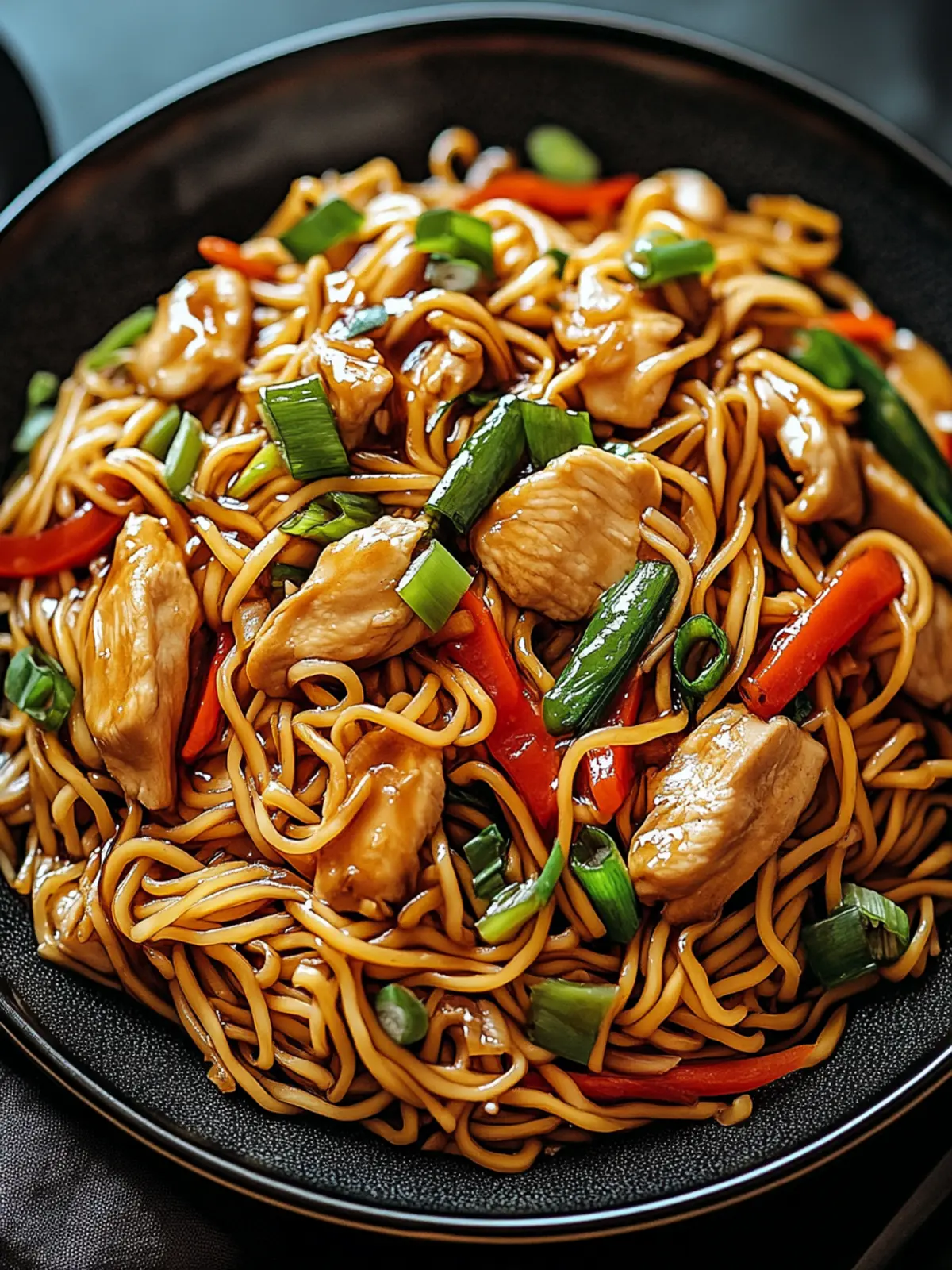
Weeknight Chicken Chow Mein: Quick & Easy Restaurant Flavor at Home
Imagine whipping up a steaming plate of authentic-tasting chicken chow mein on a busy weeknight, complete with springy noodles, crisp-tender vegetables, and succulent chicken, all coated in a rich, savory sauce. Many of us relegate this culinary delight to takeout menus, convinced that achieving that signature restaurant flavor at home is an insurmountable challenge, involving secret ingredients or complex techniques. But what if we told you that restaurant-quality chicken chow mein is not only achievable but also surprisingly quick and easy to make in your own kitchen?
Forget the soggy noodles and bland, bottled sauces of past attempts. This article will guide you through the simple yet transformative steps to create a homemade chicken chow mein that rivals your favorite takeout spot, all in less time than it takes to get delivery. We'll demystify the "secrets" of Chinese stir-frying, empowering you to bring vibrant, flavorful Asian cuisine to your dinner table any night of the week.
The Myth of Complicated Takeout: Unlocking Authentic Flavor at Home
For years, many home cooks have grappled with the elusive taste of restaurant chow mein, wondering if a mystical "secret ingredient" or an exclusive, complicated Chinese cooking technique was the missing link. The truth, as it often is, is far simpler and more accessible than you might think. The key to that irresistible depth of flavor and perfect texture isn't a secret ingredient at all, but rather a combination of specific techniques and thoughtful preparation.
The primary "secret" is **wok hei** – a Cantonese term that translates to "the breath of the wok." This describes the unique smoky, slightly charred aroma and flavor imparted by cooking ingredients rapidly over intensely high heat in a well-seasoned wok or skillet. It’s what gives stir-fries their distinctive taste that's hard to replicate on a stovetop if you're not using enough heat. Another crucial element is **mise en place**, a French culinary term meaning "everything in its place." This simply means having all your ingredients prepped, chopped, and ready *before* you even turn on the heat. Once the cooking starts, everything happens incredibly fast, and there's no time for slicing or dicing. Finally, avoiding overcrowded pans and opting for a homemade sauce instead of generic bottled versions are game-changers. By understanding and applying these fundamental principles, you’re well on your way to mastering
restaurant-quality chicken chow mein.
Mastering the Fundamentals: Ingredients & Preparation Prowess
Success in stir-frying, particularly with chicken chow mein, begins long before the pan even hits the heat. Thoughtful ingredient selection and meticulous preparation are paramount.
Choosing Your Noodles Wisely
One of the most common pitfalls for home cooks attempting chow mein is using the wrong type of noodle. While spaghetti might seem like a convenient substitute, it simply won't yield the authentic texture and flavor you desire. True chow mein noodles have a specific chewiness and absorb sauce differently. Look for fresh or dried "chow mein noodles" or "lo mein noodles" in the Asian food aisle of your local grocery store or, ideally, at an Asian market. Fresh noodles are often preferred for their superior texture, but dried versions work wonderfully too. The key is to find noodles specifically designed for stir-frying.
Crafting the Perfect Sauce
While bottled stir-fry sauces promise convenience, they often fall short on flavor and can be loaded with excessive sodium or sugar. The beauty of homemade chicken chow mein lies in a quick, from-scratch sauce that is incredibly easy to customize. A basic yet potent sauce typically combines low-sodium soy sauce (regular soy sauce can make it too salty), a touch of sugar for balance, sesame oil for aroma, and a cornstarch slurry for thickness.
However, for that authentic, restaurant-quality depth, **oyster sauce is your secret weapon.** Don't skip it! It adds an umami richness and a slightly sweet, savory complexity that transforms the entire dish. Feel free to experiment with additional components like rice vinegar for tang, a dash of white pepper, or a pinch of chili flakes for heat. Preparing a slightly larger batch of this versatile stir-fry sauce in advance means you’ll always have it ready for future quick meals.
The Star of the Show: Chicken & Veggies
For the chicken, boneless, skinless chicken breast or thighs work best. The trick is to slice it very thinly – aim for about 1/4 inch thick strips. This ensures the chicken cooks quickly and remains tender, preventing it from drying out or overcooking while the other ingredients are being stir-fried.
As for vegetables, this is where chicken chow mein truly shines in its flexibility. Use what you love or what you have on hand! Classic choices include shredded cabbage, julienned carrots, sliced bell peppers (any color), snap peas, mushrooms, broccoli florets, or even a pre-bagged coleslaw mix for ultimate convenience. The goal is crisp, colorful vegetables that still retain a slight bite. Remember the *mise en place* rule: have all your vegetables washed, chopped, and ready to go before you even think about turning on the heat. This prevents frantic scrambling once the cooking process begins.
The High-Heat Dance: Cooking Your Chow Mein to Perfection
With your ingredients prepped, it's time to bring the heat and experience the magic of stir-frying.
Pre-cooking Your Noodles: A Crucial Step
Before the main stir-fry, your chow mein noodles need a brief pre-cook. Follow the package instructions, but aim for *just tender* or slightly undercooked – al dente. They will continue to cook in the wok, so overcooking them now will result in a mushy final product. Drain them thoroughly and, a clever trick to prevent sticking, toss them with a tiny drizzle of sesame oil. Set them aside while you prepare the rest of the components.
The Wok Hei Principle: Heat, Speed, and Space
This is where the "better than takeout" flavor truly comes alive. Crank your largest skillet or wok to high heat. Seriously, high heat is not just a suggestion; it's a necessity for achieving that coveted wok hei. Using medium heat will steam your vegetables instead of giving them those appealing crispy edges and smoky flavor. Add a high smoke point oil like canola, peanut, or grapeseed oil.
Once the oil is shimmering and almost smoking, add your thinly sliced chicken in a single layer. Don't crowd the pan! Cook it quickly until golden brown and just cooked through, then remove it and set aside. Next, it's the vegetables' turn. Add them in batches if necessary to avoid overcrowding. Keep everything moving constantly – this isn't a sauté where you let things sit. Stir, toss, and ensure even cooking. The goal is a quick sear that retains their vibrant color and crunch.
For an even deeper dive into this critical step, explore our article:
Chicken Chow Mein: Master High Heat & Fresh Noodles for Best Results.
Layering Flavors: From Chicken to Veggies to Noodles
Once your vegetables are crisp-tender, return the cooked chicken to the pan. Add your pre-cooked noodles, tossing everything gently to combine. Finally, pour in your homemade sauce. Keep stirring and tossing vigorously, ensuring the noodles, chicken, and vegetables are all beautifully coated in the glossy, savory sauce. This final step should only take a minute or two; you want the sauce to thicken slightly and cling to the ingredients, not become watery.
Customization & Beyond: Making It Your Own
One of the great joys of homemade chicken chow mein is its incredible versatility. Don't have chicken? Swap it for thinly sliced pork, shrimp, tofu, or even skip the protein for a delightful vegetarian version. Mix and match your vegetables based on what’s in season or what you prefer. Add a sprinkle of toasted sesame seeds or chopped green onions for garnish just before serving.
You can also prepare components in advance: slice chicken, chop vegetables, and mix the sauce ahead of time. This makes the actual cooking process even faster, turning it into a true 15-minute meal on those super hectic evenings. With a batch of sauce already made, you’re just a quick stir-fry away from a delicious meal.
So, ditch the takeout menus and the mystery of restaurant secrets. With a few simple techniques – high heat, proper noodles, a homemade sauce, and smart prep – you can bring the vibrant, authentic flavors of chicken chow mein right into your home kitchen. It’s a delicious, satisfying, and surprisingly easy meal that will impress your family and have them asking for it again and again. Enjoy the incredible satisfaction of creating restaurant-quality Asian cuisine yourself!