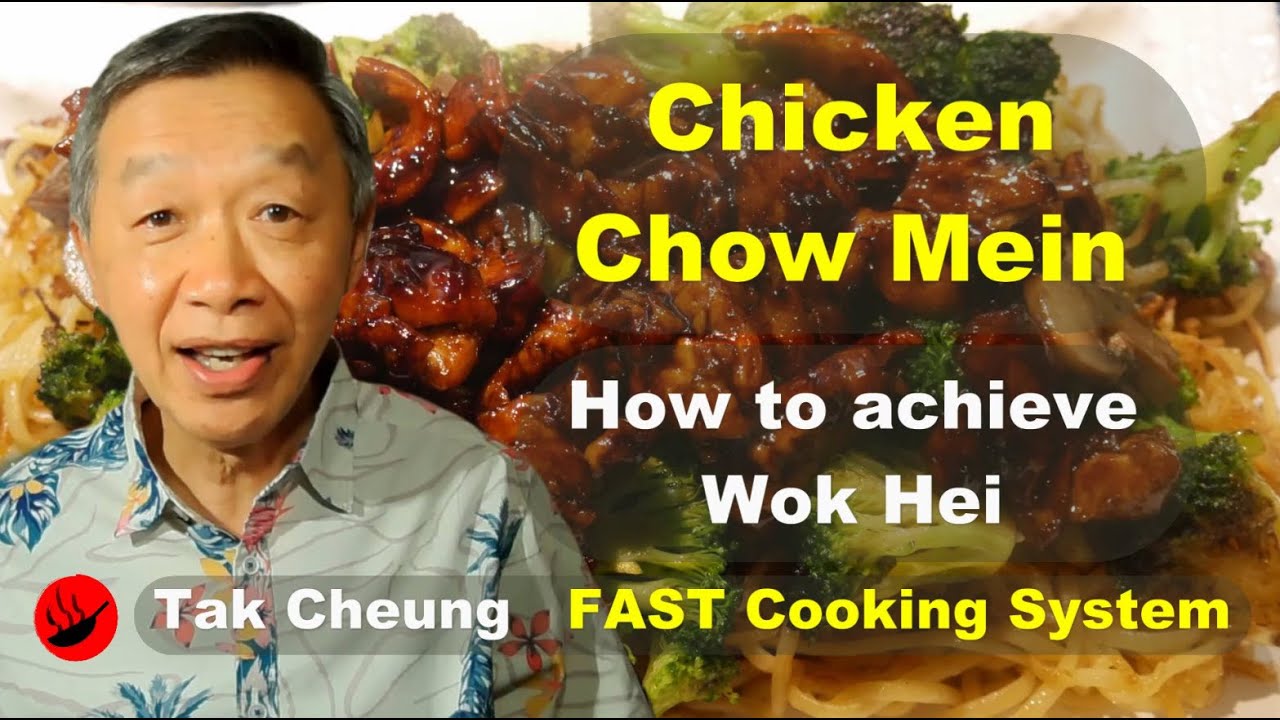
Unlock Wok Hei: The Secret to Restaurant-Quality Chicken Chow Mein
Craving that elusive, smoky flavor of your favorite Chinese takeout? The kind that makes you wonder what secret ingredient or technique restaurants possess? You're not alone. Many home cooks aspire to replicate the vibrant textures and profound depths of flavor found in a perfectly executed plate of
chicken chow mein, only to find their efforts fall short. The good news is, achieving that restaurant-quality taste at home is not a mystical art reserved for professional chefs. It all boils down to understanding and harnessing a few fundamental principles, chief among them being "Wok Hei."
Forget the bottled stir-fry sauces and complicated notions. This comprehensive guide will demystystify the magic behind truly sensational homemade
chicken chow mein, transforming your kitchen into a hub of authentic Chinese American flavor. Prepare to unlock the secrets to springy noodles, crisp-tender vegetables, and succulent, saucy chicken, all infused with that signature smoky essence.
The Elusive "Wok Hei": Your Secret Weapon for Authentic Flavor
The term "Wok Hei" (鑊氣) translates literally to "the breath of the wok" or "wok energy," and it's the holy grail of Chinese stir-frying. It's that indescribable, complex flavor profile – a subtle smokiness, a hint of caramelization, and an almost indescribable aroma – that elevates a dish from good to extraordinary. Many home cooks struggle to achieve this, often ending up with steamed ingredients rather than perfectly seared ones.
So, how do you capture the "breath of the wok" in your home kitchen? It boils down to two critical elements: **extreme high heat** and **expert pan management**. Residential stoves typically don't reach the same BTU levels as professional restaurant burners, but you can still get remarkably close. The key is to preheat your wok or largest heavy-bottomed skillet until it's screaming hot – shimmering oil and just a wisp of smoke are good indicators. This initial burst of intense heat quickly sears the ingredients, preventing them from stewing in their own juices.
Secondly, avoid overcrowding the pan. This is perhaps the most common mistake. When too many ingredients are added at once, the temperature of the pan plummets, releasing moisture that steams rather than fries your food. The result? Limp vegetables and mushy chicken, devoid of any char or flavor depth. Cook in smaller batches if necessary, searing each component quickly before combining them later. Keeping the ingredients constantly moving – stirring, tossing, and flipping – ensures even cooking and maximizes their exposure to the scorching hot surface, allowing the Maillard reaction (browning and flavor development) to work its magic. This careful balance of heat, timing, and movement is the true essence of Wok Hei.
Mastering Your Ingredients: From Noodles to Sauce
While technique is paramount, the quality and preparation of your ingredients are equally vital for a standout
chicken chow mein.
- The Noodles: This is where many home cooks veer off course. Regular spaghetti or linguine simply won't yield the same results. For authentic chow mein, you need dedicated chow mein or lo mein noodles. Look for them in the Asian food aisle of your local grocery store or, even better, at an Asian supermarket. Fresh egg noodles are ideal for their springy texture, but dried versions work wonderfully too. The trick is to cook them *just* until al dente according to package directions, then drain them thoroughly and toss with a drizzle of sesame oil to prevent sticking. They will continue to cook in the wok, so undercooking them slightly ensures they don't turn mushy.
- The Chicken: Chicken breast is a popular choice for its lean protein and quick cooking time. For maximum tenderness and quick searing, slice it thinly, about 1/4 inch thick, and against the grain. A quick marinade (think a touch of soy sauce, cornstarch, and a hint of sesame oil) can dramatically improve its texture and help it brown beautifully.
- The Vegetables: This is your chance to get creative and add vibrant color and crunch. Bell peppers, snap peas, mushrooms, broccoli florets, and shredded cabbage are classic choices. Even a bag of coleslaw mix can be a fantastic shortcut! Prepare all your vegetables by slicing or chopping them to roughly similar sizes to ensure even cooking. The goal is crisp-tender, not limp or overcooked.
- The Sauce: Skip the bottled stuff! A quick, from-scratch sauce is easy to whip up and far more flavorful and customizable. The base typically includes low-sodium soy sauce (regular soy can make it too salty), a touch of sugar for balance, and the "secret ingredient" for restaurant-quality depth: oyster sauce. Don't skip the oyster sauce; its rich, savory, slightly sweet profile is irreplaceable. For vegetarians, mushroom-based alternatives exist. A splash of sesame oil and white pepper at the end add aromatic nuances.
The Art of the Stir-Fry: Technique and Timing
With your ingredients prepped and ready, the actual cooking process for
chicken chow mein is incredibly fast. This is why "mise en place" – having everything measured, sliced, and within arm's reach before you even turn on the stove – is not just a professional chef's fancy term, but a non-negotiable step for success in Chinese cooking.
1.
Noodle Prep: Cook your chow mein noodles to al dente, drain, and toss with sesame oil. Set aside.
2.
High Heat, Quick Sear: Heat your wok or large skillet over high heat until it just begins to smoke. Add a high smoke point oil (like peanut, grapeseed, or canola oil).
3.
Cook the Chicken: Add the thinly sliced chicken in a single layer. Don't touch it for a minute or two to allow it to sear and brown, then stir-fry until cooked through and golden. Remove the chicken from the pan and set aside.
4.
Sauté the Vegetables: Add a bit more oil if needed. Start with harder vegetables like carrots or broccoli, stir-frying for a minute or two. Then add softer ones like bell peppers, mushrooms, and cabbage. Keep them moving rapidly in the hot pan until they are crisp-tender and brightly colored. Again, if your pan is crowded, cook in batches.
5.
Combine and Sauce: Return the cooked chicken to the pan with the vegetables. Add the pre-cooked noodles. Pour your homemade sauce evenly over everything.
6.
The Final Toss: Using tongs or spatulas, toss and stir-fry vigorously for another 1-2 minutes, ensuring the noodles, chicken, and vegetables are thoroughly coated in the savory sauce and heated through. This is where the Wok Hei really comes into play, as the sauce caramelizes slightly against the hot pan, deepening its flavor and imparting that desirable smoky char.
Season with a dash of white pepper, a final drizzle of sesame oil, and serve immediately. The aroma alone will tell you you've achieved something special.
In conclusion, achieving restaurant-quality
chicken chow mein at home is a wholly attainable goal. By focusing on the principles of Wok Hei – searing over high heat without overcrowding the pan – and paying attention to ingredient quality and meticulous preparation, you can create a dish that rivals your favorite takeout. It’s a rewarding culinary journey that proves homemade is not only healthier but often far more delicious and satisfying. So, crank up that heat, prep those ingredients, and get ready to unlock the true potential of your wok!