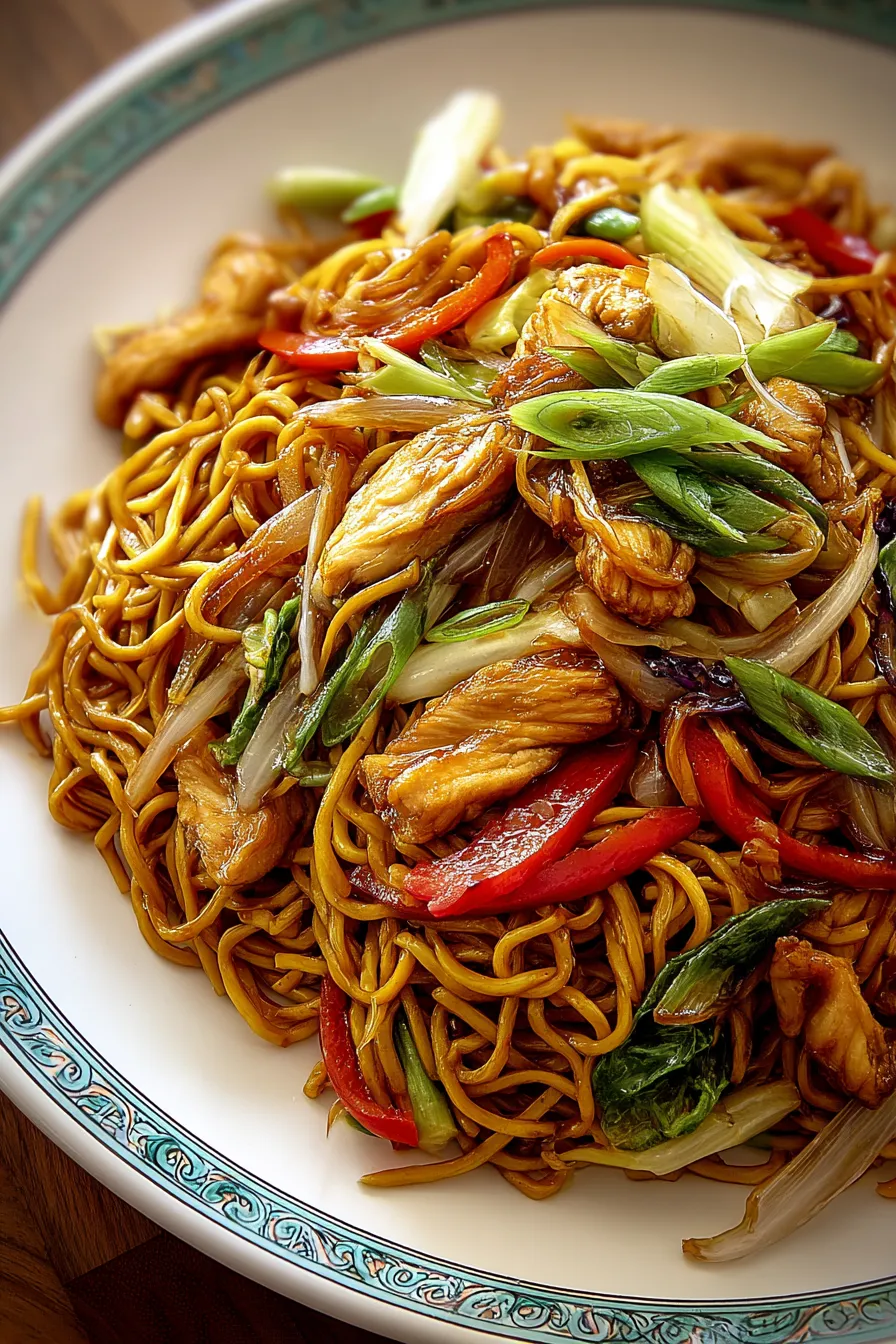
Chicken Chow Mein: Master High Heat & Fresh Noodles for Best Results
Imagine a dish that’s quick enough for a busy weeknight yet delivers the rich, savory depth and satisfying textures you’d expect from your favorite Chinese takeout spot. That’s the magic of homemade chicken chow mein. This iconic one-pan noodle stir-fry, featuring tender chicken, crisp-tender vegetables, and delightfully springy noodles bathed in a savory soy-based sauce, is more than just a meal – it’s an experience. And the best part? It's often ready in less time than it takes to dial your local restaurant or wait for delivery.
For too long, many home cooks have grappled with chow mein that falls short – mushy noodles, bland flavors, or vegetables that turn out steamed rather than vibrant. The secret, however, isn't a complex, guarded technique or a specific piece of fancy equipment. Instead, the real game-changers are surprisingly simple: mastering high-heat cooking and selecting the right noodles. This article will guide you through these fundamental principles, helping you recreate that coveted restaurant-quality chicken chow mein right in your own kitchen, all while skipping the bottled shortcuts and embracing a fresh, customizable approach inspired by the best in Chinese American cooking.
Unlocking Authentic Flavor: The High-Heat Secret (Wok Hei)
If you've ever wondered why restaurant chow mein tastes so uniquely good, that elusive "something extra" is often attributed to wok hei – literally translated as "the breath of the wok." This isn't some mystical ingredient, but rather the smoky, subtly charred, intensely flavorful essence imparted when food is cooked rapidly over incredibly high heat in a well-seasoned wok. It's the hallmark of authentic stir-frying and the primary reason your homemade dish might have previously lacked that "takeout" punch.
The key to achieving wok hei at home is to crank up the heat on your largest skillet or wok to its highest setting. Medium heat is the enemy of great stir-fries; it steams vegetables instead of searing them, resulting in a dull texture and muted flavors. High heat, conversely, ensures that your chicken develops a beautiful golden crust and your vegetables retain their vibrant color and crispness, with those delightful slightly-charred edges.
Equally crucial is preventing overcrowding. When too much food is crammed into the pan, the temperature drops, leading to steaming rather than frying. Work in batches if necessary, allowing each component ample space to sear and caramelize. While a traditional wok is ideal for distributing heat and tossing ingredients, a heavy-bottomed cast iron skillet or a large stainless steel frying pan can deliver excellent results too, provided you allow it to get screaming hot before adding your ingredients. For a deeper dive into this fascinating cooking principle, explore Unlock Wok Hei: The Secret to Restaurant-Quality Chicken Chow Mein.
The Foundation: Choosing Your Noodles & Crafting the Perfect Sauce
No chicken chow mein recipe is complete without the right noodles and a perfectly balanced sauce. These two elements form the backbone of the dish, and getting them right makes all the difference.
Noodles are Non-Negotiable
This is where many home cooks first stumble. Resist the temptation to grab regular spaghetti or linguine from your pantry. Italian pasta, while delicious in its own right, has a different texture and flavor profile that simply won't yield authentic chow mein. For the best results, you need chow mein noodles or lo mein noodles. These can typically be found in the Asian food aisle of larger supermarkets or, even better, at an Asian grocery store. Fresh noodles are always superior for their springy texture, but dried versions also work wonderfully.
Once you've secured the right noodles, cooking them correctly is paramount. Follow the package instructions, but aim for them to be just tender, or even slightly undercooked (al dente). Remember, they will continue to cook in the hot wok later. Overcooked noodles turn mushy, a texture disaster for chow mein. After draining, a light drizzle of sesame oil tossed through them will prevent sticking while you prepare the rest of your ingredients.
The Signature Savory Sauce
One of the joys of homemade chow mein is ditching the often overly sweet or artificial bottled stir-fry sauces in favor of a fresh, from-scratch mix. This allows for incredible customization and a cleaner flavor profile. The core ingredients are usually simple yet powerful:
- Low-Sodium Soy Sauce: Crucial for depth without overwhelming saltiness. Regular soy sauce can make the dish far too salty.
- Oyster Sauce: Often considered the "secret ingredient" for restaurant-quality chow mein, oyster sauce provides a unique umami depth and a hint of sweetness that elevates the entire dish. Don't skip it!
- Sesame Oil: For that distinct nutty aroma and flavor.
- A touch of sugar and white pepper: To balance the flavors.
- Cornstarch slurry: To thicken the sauce and help it cling beautifully to the noodles and ingredients.
The beauty of this homemade approach is its flexibility. If you have a go-to stir-fry sauce recipe you love, feel free to use it. Making a larger batch of sauce to keep on hand can make future weeknight chow mein even quicker.
Mise en Place: The Pro Prep for Seamless Stir-Frying
The French culinary term mise en place – meaning "everything in its place" – is not just for professional kitchens; it's absolutely non-negotiable for stir-frying. Because high-heat cooking moves incredibly fast, you won't have time to chop vegetables or slice chicken once you start. Having all your ingredients prepped, measured, and laid out within arm's reach before you even turn on the stove is the single most important step for a successful, stress-free chow mein.
Chicken Prep: Thin Slices for Tender Bites
For your chicken, whether you choose breast or thigh, slice it thinly – ideally about 1/4 inch thick. This ensures that the chicken cooks quickly and evenly in the intense heat, remaining juicy and tender rather than drying out. Marinating the chicken briefly in a little soy sauce, cornstarch, and sesame oil can also enhance its tenderness and flavor, a technique often used in Chinese cooking.
Vegetable Variety: Crisp and Colorful
The flexibility of chicken chow mein shines in its vegetable lineup. Use whatever stir-fry friendly vegetables you have on hand or prefer. Classic choices include:
- Bell peppers (any color)
- Snap peas
- Mushrooms (sliced)
- Broccoli florets
- Shredded cabbage or even a bagged coleslaw mix
- Carrots (julienned or thinly sliced)
- Minced garlic and ginger (essential aromatics)
Ensure all your vegetables are cut into roughly similar sizes to promote even cooking. A great tip: if you have kids who love vegetables, be prepared for some "sampling" during prep – those extra mushrooms often disappear before they even hit the pan!
Mastering the Stir-Fry Technique: From Pan to Plate
With your ingredients prepped and your noodles ready, it’s time for the exhilarating final act. Remember, the pan needs to be screaming hot before you add oil, and the oil itself should be shimmering before your first ingredient goes in. This creates an immediate sear and prevents sticking.
Cook in stages to maintain high heat and achieve the best texture:
- Sear the Chicken: Add the thinly sliced chicken to the hot pan first. Stir-fry quickly until it's golden and nearly cooked through. Remove it from the pan and set aside to avoid overcooking.
- Sauté the Aromatics and Veggies: Add a little more oil if needed, then quickly stir-fry your minced garlic and ginger until fragrant. Next, add your firmer vegetables (like carrots or broccoli) first, followed by softer ones (like bell peppers or cabbage), stirring constantly until they are crisp-tender and brightly colored.
- Combine and Sauce: Return the cooked chicken to the pan with the vegetables. Add your pre-cooked noodles, tossing them gently to combine everything. Finally, pour in your prepared sauce. Keep everything moving, tossing constantly to ensure the noodles and ingredients are evenly coated and the sauce thickens and adheres beautifully.
The entire stir-frying process after your prep work should take mere minutes, illustrating just how fast homemade chow mein can come together. The result is a vibrant, aromatic, and deeply satisfying dish that rivals any takeout. For more insights on perfecting your weeknight cooking, check out Weeknight Chicken Chow Mein: Quick & Easy Restaurant Flavor at Home.
Conclusion: Your Homemade Takeout Dream Realized
Homemade chicken chow mein doesn't require takeout containers or bottled shortcuts to be absolutely phenomenal. By focusing on a few smart steps – embracing the power of high heat for that coveted wok hei, selecting the right fresh or dried chow mein noodles, mastering your mise en place, and crafting a savory sauce from scratch – you unlock an unparalleled depth of flavor and texture. You'll achieve springy noodles, crisp-tender veggies, and perfectly saucy, golden chicken, all served hot from your own skillet. This flexible, flavorful dish proves that the best Asian-inspired cooking is not only accessible but often superior when made with care and fresh ingredients in your own home.
